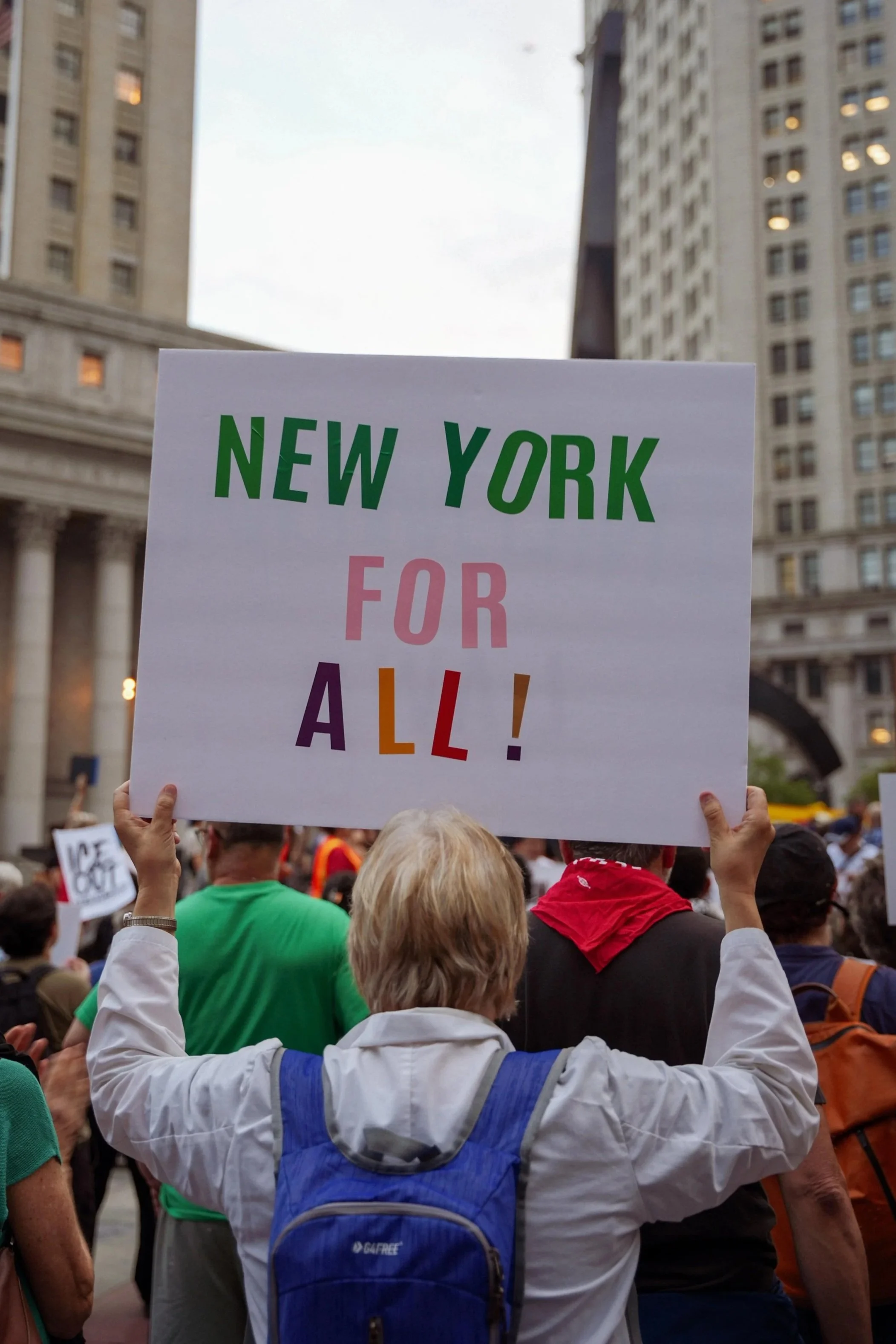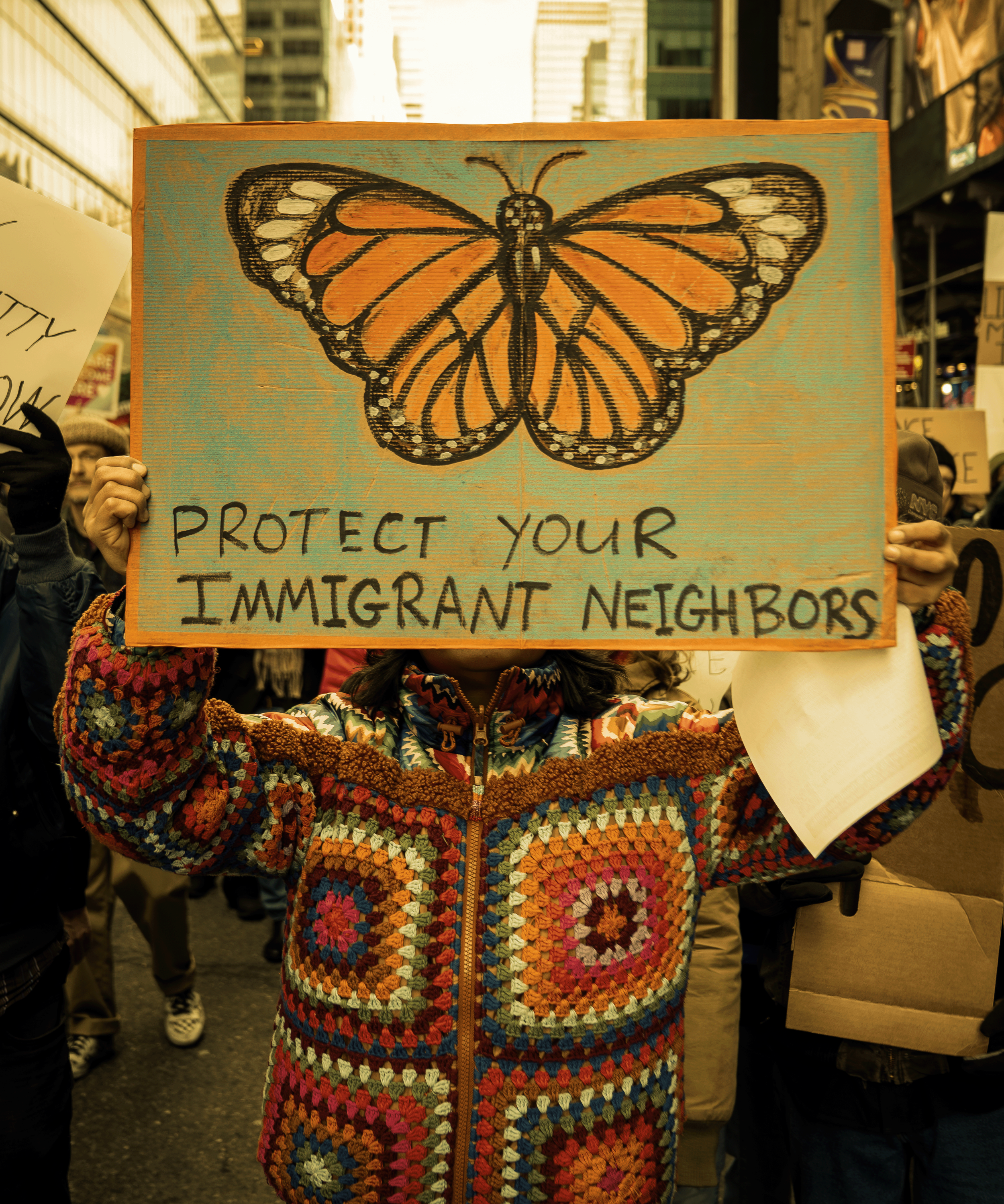
the new york
for all act
PROTECT IMMIGRANT NEW YORKERS FROM Trump and ICE’s deportation machine.
All New Yorkers, regardless of immigration status or how long they have lived here, want the same basic things: to participate in their communities, provide for their family, and live without fear.
Yet President Trump and Immigration and Customs Enforcement (ICE)’s anti-immigrant agenda is making this impossible.
The state must pass New York For All to protect our immigrant neighbors and ensure that our tax dollars are not used to help the Trump administration separate families, raid work places, and deport our neighbors.
IT’S PAST TIME FOR LAWMAKERS TO PASS THE NEW YORK FOR ALL ACT to protect our immigrant neighbors.
THE PROBLEM
Trump’s ICE is dividing communities, abducting immigrants, and separating families. ICE and CBP are carrying out large-scale immigration raids funded by hundreds of billions of taxpayer dollars.
Across New York, ICE — now the nation’s largest and most well-funded federal law enforcement agency — is deputizing local law enforcement and government agencies to act as deportation agents. This collusion weaponizes state public resources against our neighbors instead of keeping our communities safe.
When local agencies and law enforcement conspire with ICE, New Yorkers lose trust in our government. It becomes dangerous for people to interact with public institutions — whether at a traffic stop, calling emergency services, attending school, going to work, or going to the doctor — for fear it will lead to detention and deportation.
New York cannot continue to be complicit.

THE SOLUTION
New York must meet this moment by standing up for our immigrant neighbors and refusing to participate in Trump’s cruel, politicized deportation agenda.
The New York for All Act will protect immigrant New Yorkers, keep families together, and preserve state and local resources to uphold the state’s public safety priorities.
The bill broadly prohibits state and local officers from enforcing federal immigration laws, funneling people into ICE custody, and sharing sensitive information with federal immigration agents. It also ensures that people in custody are informed of their rights before being interviewed by ICE. Finally, it prohibits ICE and CBP from entering non-public areas of state and local property without a judicial warrant and begins the process of limiting their access to state information databases.